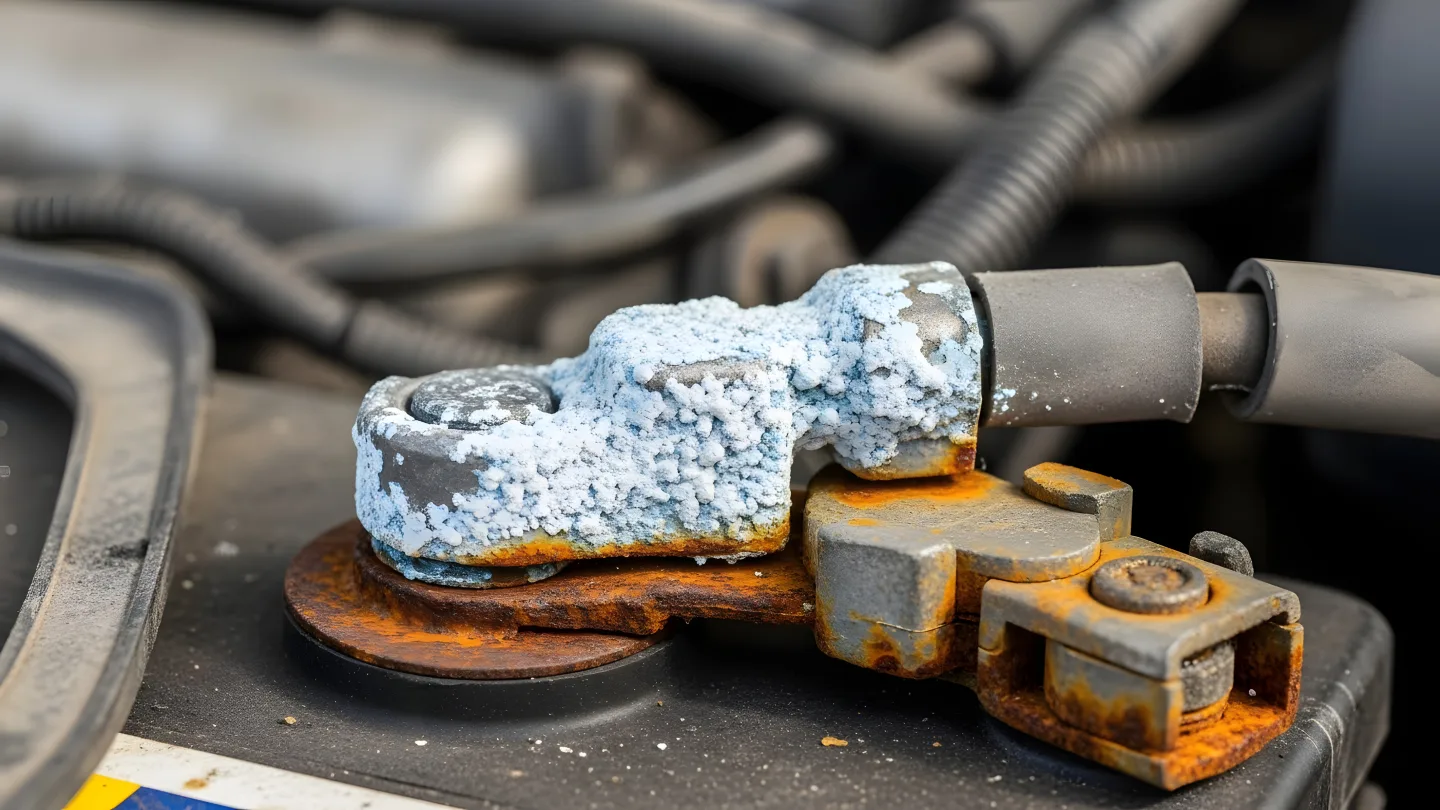
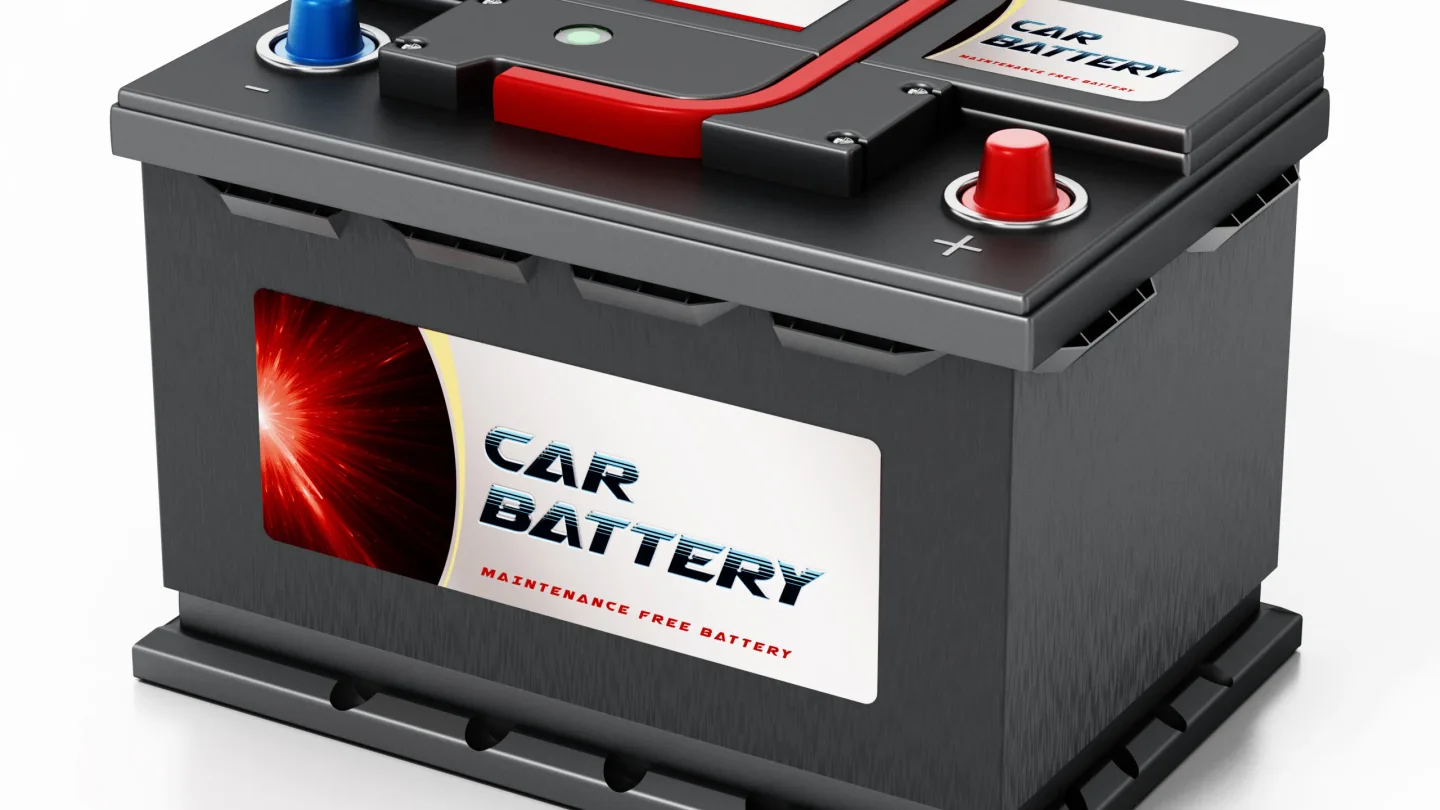
Quality battery fitment, testing, installation, and clear expectations matter when replacing a vehicle battery on-site.
Why battery fitment matters
Modern vehicles can require specific battery sizes, ratings, terminal locations, and reset considerations. Providing accurate year, make, model, and engine details helps confirm the right option.
Testing before replacement
A dead vehicle is not always a bad battery. Testing helps determine whether replacement is appropriate or whether another issue may be involved.
What “authorized dealer” should mean to customers
For customers, the important point is practical: quality battery options where available, correct fitment, clear service expectations, and professional installation. The battery should match the vehicle requirements and be installed with care.
Why mobile replacement helps
Mobile battery replacement can save the hassle of towing a vehicle or arranging a ride to a parts store. When the correct battery is available and the service is appropriate, the work can often be completed where the vehicle is parked.
Information needed before dispatch
Vehicle year, make, model, engine, location, and what happens when you try to start the vehicle all help confirm the right next step. Photos or extra notes can also help if the battery location or vehicle access is unusual.
On-site replacement expectations
When the correct battery is available and the service is appropriate for the vehicle, Roadside Responder can replace the battery where the vehicle is located.
When replacement may not solve it
If the starter, alternator, key system, wiring, or another component is the actual problem, a new battery may not fix the vehicle. Roadside Responder works to explain what is observed and what next step makes sense.
After a new battery is installed
Some vehicles may need reset steps, drive cycles, or additional diagnostics after a battery replacement. If a warning light remains or the vehicle behaves abnormally, a repair facility or dealer may need to inspect it.