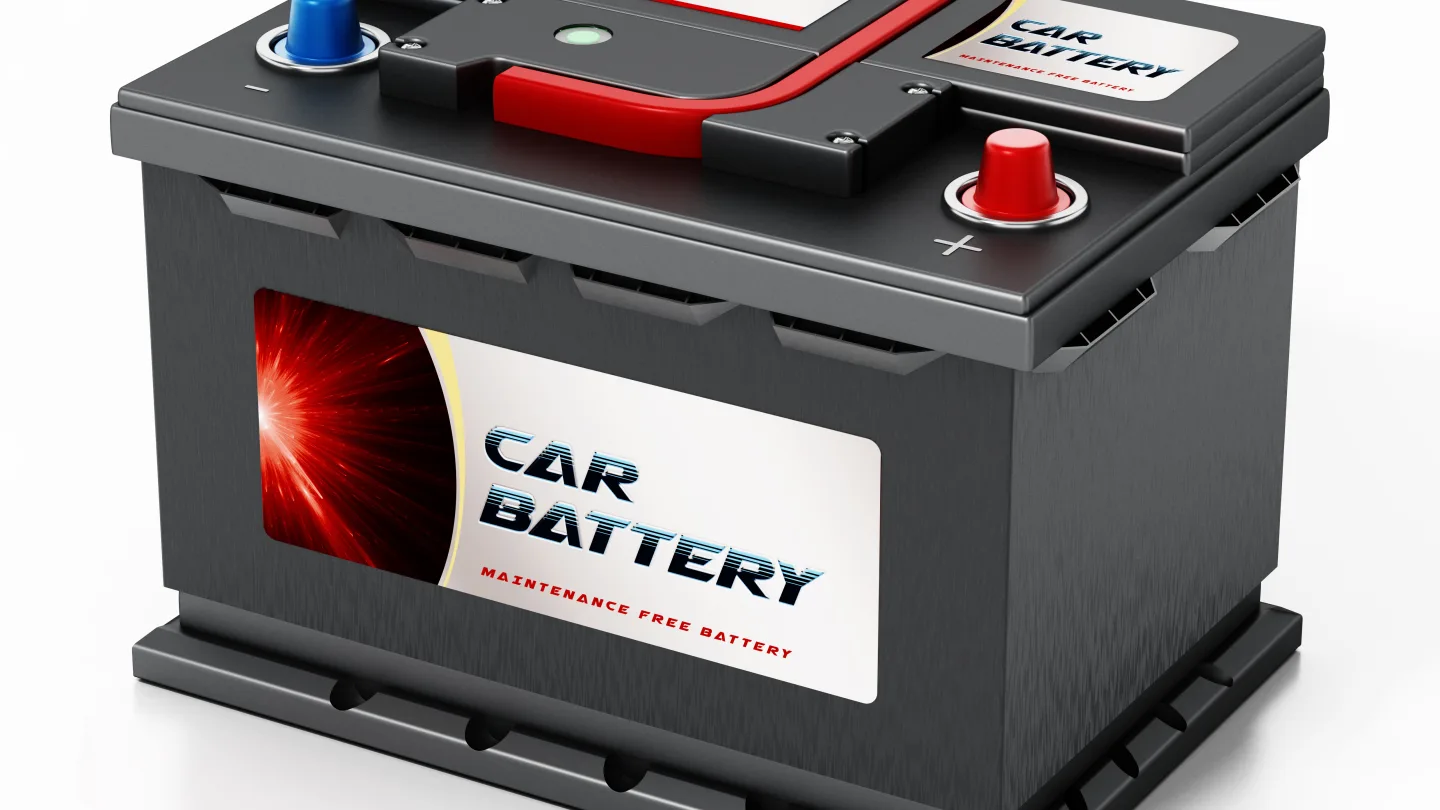
Slow starts, clicking, dim lights, warning lights, and repeated jump starts can all point to a weak or failing battery.
Slow crank or clicking
If the engine turns over slowly or you hear clicking when you turn the key, the battery may not have enough power to start the vehicle reliably.
Dim lights and weak electronics
Interior lights, headlights, power locks, and infotainment systems can act weak or inconsistent when voltage is low. These symptoms can also point to charging issues, so testing matters.
Dashboard warning lights
A battery or charging-system light can mean the vehicle is not charging correctly or that voltage is outside the expected range. Do not ignore repeated warning lights, especially if the vehicle has recently needed a jump start or struggles to restart after short trips.
Battery age and Florida heat
Heat is hard on vehicle batteries. In Northeast Florida, a battery can weaken faster than expected because high temperatures speed up internal wear. If the battery is several years old and starting feels slower than normal, testing before it fails can prevent a roadside no-start.
Corrosion and loose connections
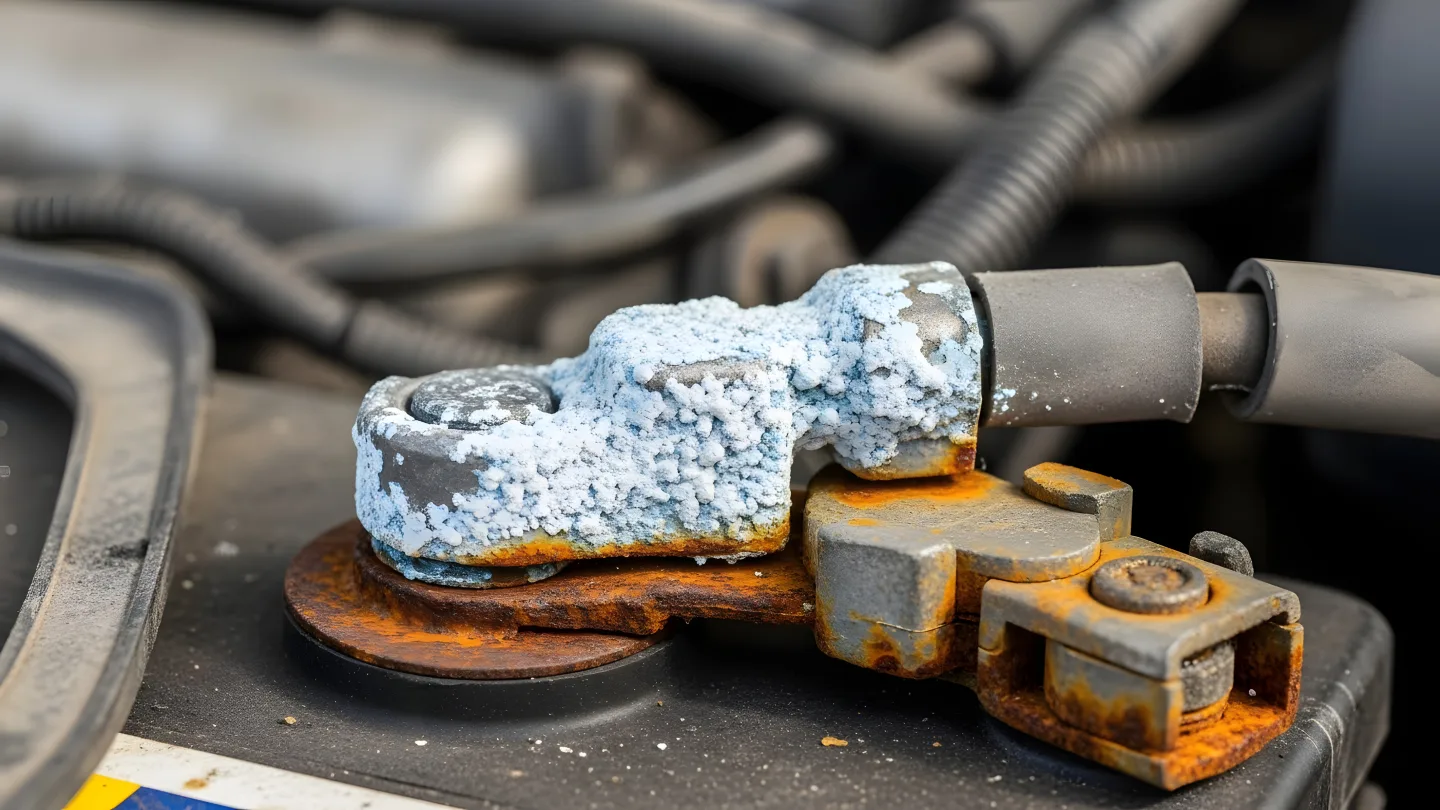
White or blue-green corrosion around battery terminals can interfere with power delivery. Loose or damaged cables can create symptoms that feel like a bad battery. A visual check is useful, but testing is still the better way to understand whether replacement is needed.
Repeated jump starts
If you need more than one jump start in a short period, the battery may be failing or the vehicle may have another electrical issue. Roadside Responder can test the battery and explain the next step.
When replacement makes sense
Battery replacement is usually worth considering when testing confirms failure, the vehicle repeatedly will not start, or the battery can no longer hold charge reliably. Roadside Responder can replace batteries on-site when the correct fitment is available and service is appropriate for the vehicle.
When the problem may not be the battery
A no-start can also involve the starter, alternator, key system, fuel delivery, or other electrical issues. That is why Roadside Responder focuses on checking the situation and explaining the next step instead of assuming every no-start needs a new battery.