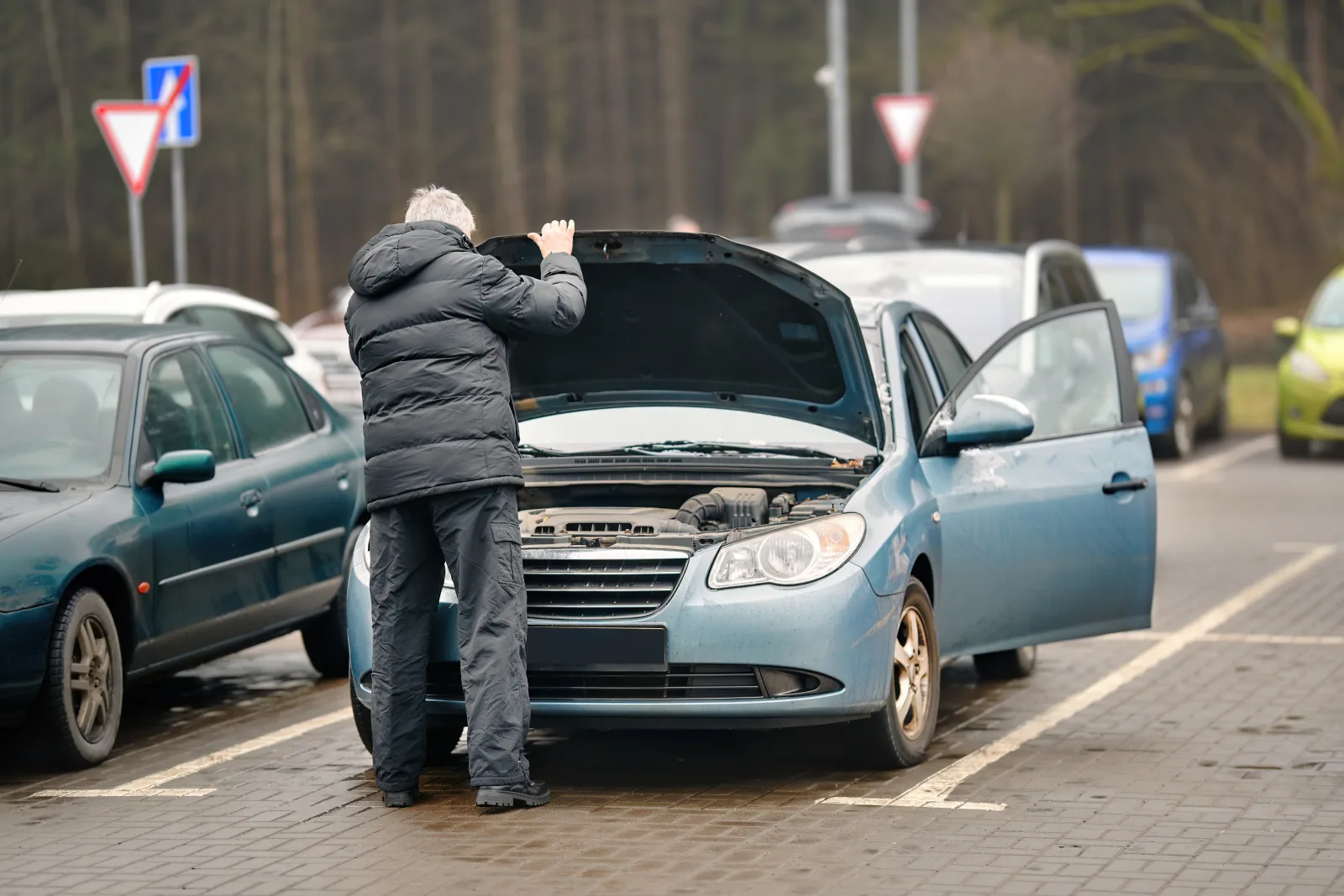
If your car won’t start but the lights work, the battery may still be weak. Learn what it means and when to call for roadside help.
Lights Coming On Does Not Prove the Battery Is Good
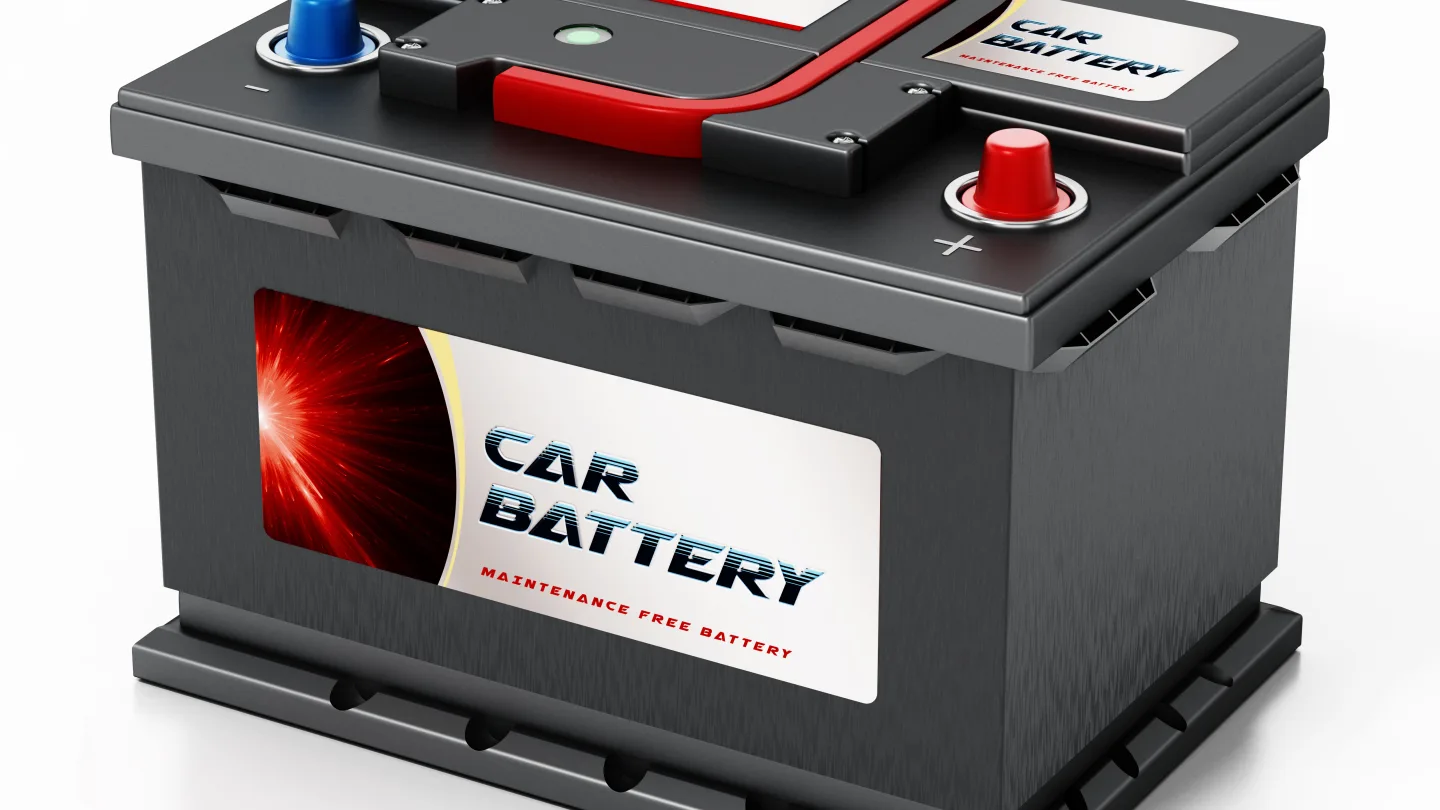
Headlights, dome lights, dashboard lights, power locks, and the radio do not require the same amount of power as starting the engine. The starter motor needs a strong electrical surge. A weak battery may still power small electrical items but fail when asked to crank the engine.
That is why you may see:
The vehicle has some power, but not necessarily enough.
This is especially common when a battery is old, weakened by heat, partially discharged, or failing internally.
- Dash lights turning on normally
- Headlights working
- Interior lights working
- Radio or screen powering up
- Door locks working
- A clicking sound when you try to start
- No crank or slow crank from the engine
Common Symptoms and What They Point To
The way your vehicle reacts can give clues.
One click when trying to start: A single click may point to a weak battery, poor connection, starter issue, or electrical problem. The battery should still be checked first because it is one of the most common causes.
Rapid clicking: Rapid clicking often happens when the battery does not have enough power to fully engage the starter. This is a common weak-battery symptom.
Slow cranking: If the engine turns over slowly, the battery may be weak. It may still start sometimes and fail other times.
No sound at all: No sound can involve the battery, terminals, starter circuit, ignition switch, security system, or other electrical issues. A dead or disconnected battery can also cause this.
Lights dim when trying to start: If lights dim heavily when you try to start the engine, the battery may be struggling under load.
These signs are not a guaranteed diagnosis, but they help decide whether a jump start or battery service is the right first step.
Why This Happens More Often in Florida
Northeast Florida heat is rough on batteries. Drivers in Jacksonville, Saint Augustine, Saint Johns County, Nocatee, Ponte Vedra, and the Beaches deal with high temperatures, stop-and-go driving, short trips, and long parking periods in direct sun.
Heat can shorten battery life by increasing internal wear. You may not notice the damage immediately. The battery may seem normal until one morning, one lunch break, or one late-night stop when the vehicle will not start.
A battery that was “fine yesterday” can still be weak today.
If your vehicle is slow to start, clicks, or needs a jump more than once, do not ignore it. The issue is likely to come back.
Could It Be Something Other Than the Battery?
Yes. A no-start condition can involve more than the battery.
Possible causes include:
But from a roadside standpoint, the battery is often the practical first thing to check. It is common, it is testable, and it may be fixable on-site with a jump start or mobile battery replacement.
If the battery checks out and the vehicle still will not start, a repair shop or towing provider may be needed.
- Weak or dead battery
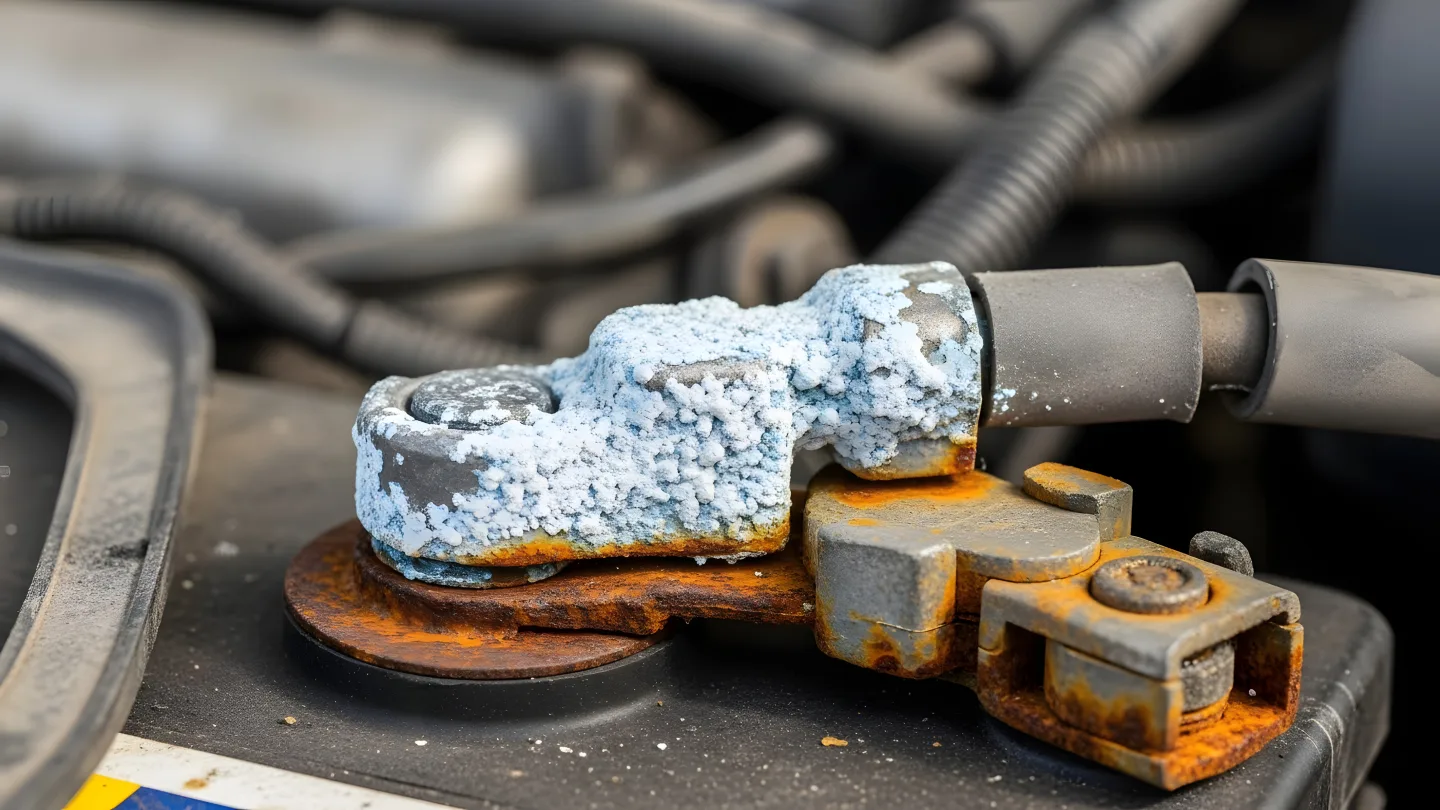
- Loose or corroded battery terminals
- Bad battery cable connection
- Starter issue
- Alternator or charging system issue
- Ignition problem
- Security system problem
- Neutral safety switch issue
- Fuel-related issue
- Other electrical fault
When a Jump Start May Help
A jump start may help if the battery is discharged but not fully failed.
This can happen if:
If the vehicle starts after a jump and continues running, the jump may get you moving. But you still need to pay attention to what happens next.
If it will not restart later, the battery may be failing.
- Lights were left on.
- The vehicle sat for a while.
- A door was not fully closed.
- Accessories were used with the engine off.
- The battery is low but still capable of holding charge.
When Battery Replacement May Be Needed
Battery replacement becomes more likely when the problem repeats or the battery cannot hold enough charge.
Signs include:
A jump start is not a permanent fix for a weak battery. It may only get you out of one situation.
Mobile battery replacement can be a better solution when the battery itself is the problem and the correct battery is available.
- The car needs repeated jumps.
- The battery is several years old.
- The engine cranks slowly.
- The vehicle starts after a jump but will not restart later.
- The car dies again soon after starting.
- The battery fails testing.
- The battery case is swollen or leaking.
- Terminals are severely corroded.
Car won’t start?
If your lights come on but the engine will not start, Roadside Responder can help check the battery situation and provide jump start or battery replacement service when appropriate.
Get Service NowWhat If the Car Starts After a Jump?
If your car starts after a jump, do not assume the issue is gone. Let the vehicle run and pay attention to warning signs.
Ask yourself:
If this was a one-time drain, you may be fine. If it has happened before, the battery should be tested.
You should also avoid shutting the vehicle off immediately in a place where you cannot get help again. If the battery is weak, it may not restart.
- Did it crank normally after the jump?
- Did it struggle to start?
- Did warning lights stay on?
- Did it restart after driving?
- Has this happened before?
What If the Car Does Not Start With a Jump?
If the car will not start even with a jump, the issue may be a failed battery, poor connection, starter issue, or another problem.
This does not automatically mean the alternator is bad. It also does not automatically mean the starter is bad. It means the vehicle needs more checking.
Roadside assistance may still help determine whether the battery is the issue. But some no-start problems cannot be fixed roadside.
What Roadside Responder Can Do
Roadside Responder provides mobile roadside assistance throughout Northeast Florida, including Jacksonville, Saint Augustine, Saint Johns County, Nocatee, Ponte Vedra, Jacksonville Beach, Atlantic Beach, and Neptune Beach.
For a car that will not start but still has lights, Roadside Responder can help with:
Battery availability depends on the vehicle, battery type, location, timing, and active inventory. If the problem is not battery-related, further repair or towing through another provider may be needed.
Pricing depends on service type, location, time of day, and whether parts are needed.
- Jump start service
- Battery checks
- Mobile battery replacement when appropriate and available
- Help at homes, workplaces, parking lots, and roadside locations
- Guidance on whether the issue appears battery-related
When to Request Roadside Help
Request help if:
The longer you guess, the more time you lose. A weak battery can leave you stranded repeatedly.
- Your car will not start.
- You hear clicking.
- The lights come on but the engine does not crank.
- Your battery keeps dying.
- You are stuck away from home.
- You are in a parking lot, workplace, driveway, or roadside location.
- You already tried a jump and it did not work.
- You are not sure whether the battery needs replacement.
Bottom Line
If your car will not start but the lights come on, the battery can still be the problem. Lights and accessories require far less power than starting the engine. A weak battery may look like it has power but fail when the starter needs a strong burst.
Roadside Responder can help with jump starts, battery checks, and mobile battery replacement when appropriate. If you are stuck in Northeast Florida, request roadside help and get the battery situation checked before it turns into a repeat problem.