Not sure if you need a jump start or a new battery? Learn the signs and when to call Roadside Responder for mobile battery help.
What a Jump Start Actually Does
A jump start uses another power source to give your battery enough electrical boost to start the engine. It does not repair the battery. It does not recharge the battery fully. It does not fix corrosion, internal battery failure, a charging system issue, or a vehicle that has been sitting too long.
A jump start is useful when the battery is simply discharged. Common examples include leaving headlights on, leaving an interior light on, sitting with accessories running, or not driving the vehicle for a while.
If the battery is still healthy, the vehicle may start normally after the jump and continue operating. Once the engine is running, the charging system should help restore some charge as you drive.
But if the battery is weak, old, damaged, or failing internally, the jump may only get you running for a short time. The car may die again, refuse to restart later, or show the same symptoms the next morning.
When a Jump Start May Be Enough
A jump start may be the right first step when the issue appears to be a one-time drain.
Examples include:
In those cases, the battery may still be usable. The key is what happens after the jump. If the vehicle starts, runs, and restarts normally, replacement may not be needed right away.
That said, even a successful jump is not proof the battery is healthy. A battery can still be weak enough to fail again later, especially in Florida heat.
- You know the lights were left on.
- The vehicle sat unused for several days or weeks.
- The battery is fairly new.
- The car starts after the jump and runs normally.
- The vehicle restarts again after driving.
- There are no repeated starting problems.
When Battery Replacement Is More Likely
Battery replacement becomes more likely when the same symptoms keep coming back.
Signs that a battery may be failing include:
A battery can have enough power to turn on lights, unlock doors, or run the radio, but still not have enough power to crank the engine. That is why “the lights come on” does not automatically mean the battery is good.
If your battery is near the end of its service life, a jump may only delay the real fix.
- The car needs multiple jump starts.
- The vehicle starts after a jump but will not restart later.
- You hear clicking when trying to start.
- The engine cranks slowly.
- The battery is several years old.
- The battery case looks swollen or damaged.
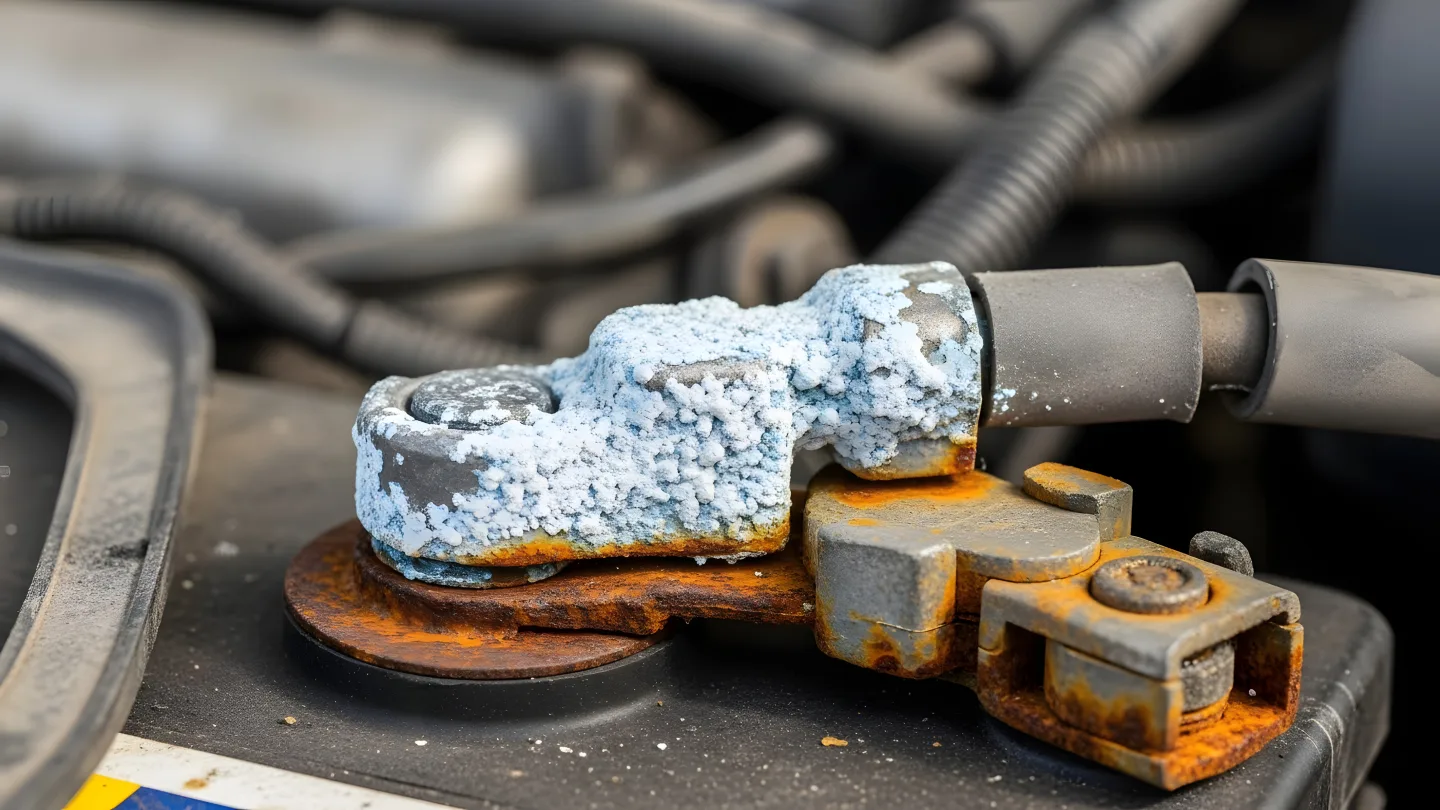
- The terminals are heavily corroded.
- Dash lights flicker or electrical accessories act weak.
- The car starts one day and is dead again the next.
Florida Heat Makes Battery Problems Worse
Drivers in Jacksonville, Saint Augustine, Saint Johns County, Nocatee, Ponte Vedra, and the Beaches deal with battery wear differently than drivers in colder areas. Heat is hard on car batteries.
High temperatures can speed up internal battery corrosion and reduce battery life. The problem may not show up immediately. A battery can weaken over time during hot weather and then fail when you least expect it.
That is why a vehicle can seem fine one day and refuse to start the next. It is also why repeated jump starts should not be ignored.
If your vehicle has needed a jump more than once, it is worth having the battery tested instead of assuming it was just a random issue.
Why Testing Matters
Guessing can waste time and money. A battery test helps show whether the battery is holding enough charge and delivering enough power.
Testing can help answer questions like:
A jump start can get the vehicle running, but testing gives you better information. If the battery tests bad, replacement is usually the practical next step. If the battery tests good, the issue may be related to something else, such as the charging system, connections, starter, or another electrical problem.
Roadside Responder can help with roadside battery situations, including jump starts and mobile battery replacement when appropriate and available.
- Is the battery simply discharged?
- Is the battery weak?
- Is the battery likely to fail again?
- Does the vehicle need a replacement battery?
- Could the issue be something beyond the battery?
What If the Car Starts After a Jump but Dies Again?
If the vehicle starts after a jump but dies shortly after, the battery may not be the only issue. It could point to a charging system problem or another electrical issue. It could also happen if the battery is too weak to continue supporting the vehicle properly.
This is not something to ignore. If the car will not stay running, you may not be safe to drive it very far. You could stall again in a parking lot, driveway, gas station, or on the roadside.
In that situation, the better move is to stop guessing and get help. A jump may be attempted, but you should be prepared for the possibility that the vehicle needs more than a jump start.
Need help with a dead battery?
Roadside Responder can help with jump starts, battery testing, and mobile battery replacement when available. Request help online and we’ll guide you through the next step.
Get Service NowWhat If the Car Will Not Start Even With a Jump?
If the vehicle will not start with a jump, the issue may be more serious than a low battery. Possible causes include poor connections, a deeply failed battery, starter problems, ignition issues, security system problems, or other electrical faults.
A no-start condition after a jump does not automatically prove the alternator is bad. It also does not automatically prove the starter is bad. It means the vehicle needs a closer look.
From a roadside perspective, the first step is usually checking the basic battery situation: connections, battery condition, jump attempt, and whether replacement is appropriate. If those do not solve the issue, towing or repair may be needed through another provider.
Roadside Responder does not need to overstate what roadside service can do. Some vehicles can be solved on-site. Others need a shop.
Jump Start vs Battery Replacement: Quick Guide
A jump start is more likely enough when:
Battery replacement is more likely needed when:
A jump start is a short-term starting solution. A battery replacement is a longer-term fix when the battery itself is failing.
- The battery was drained by lights or accessories.
- The battery is not very old.
- The vehicle starts and restarts normally afterward.
- The problem has not happened repeatedly.
- The battery is old or weak.
- The vehicle needs repeated jumps.
- The engine cranks slowly.
- The car starts after a jump but will not restart later.
- The battery fails testing.
- The battery case is swollen, leaking, or damaged.
What Roadside Responder Can Do
Roadside Responder provides mobile roadside assistance in Northeast Florida, including Jacksonville, Saint Augustine, Saint Johns County, Nocatee, Ponte Vedra, Jacksonville Beach, Atlantic Beach, and Neptune Beach.
For battery-related calls, Roadside Responder can help with:
Battery availability can depend on the vehicle, battery group size, active inventory, timing, and location. If replacement is needed, Roadside Responder will help determine the next step.
Pricing depends on service type, location, time of day, and whether parts are needed.
- Jump start service
- Basic battery checks
- Mobile battery replacement when available and appropriate
- Guidance on whether a jump is likely enough
- Help when the vehicle is stuck at home, work, a parking lot, or roadside
When to Request Help
You should request roadside help if:
The safest move is to avoid repeated guessing. If the battery is weak, you may get stranded again. If the vehicle is in a risky location, do not spend extra time troubleshooting on the shoulder or in traffic.
- Your car will not start.
- You hear clicking when trying to start.
- Your battery keeps dying.
- You needed a jump recently and the issue came back.
- Your vehicle is stuck in a parking lot, driveway, workplace, or roadside location.
- You are not sure whether you need a jump start or a battery replacement.
Bottom Line
A jump start may be enough if the battery was simply drained. But if your vehicle keeps needing jumps, starts slowly, dies again, or will not restart after driving, a battery replacement may be the better answer.
Roadside Responder can help drivers in Northeast Florida with jump starts, battery testing, and mobile battery replacement when appropriate. If your vehicle will not start, request help and get the battery situation checked before it leaves you stranded again.