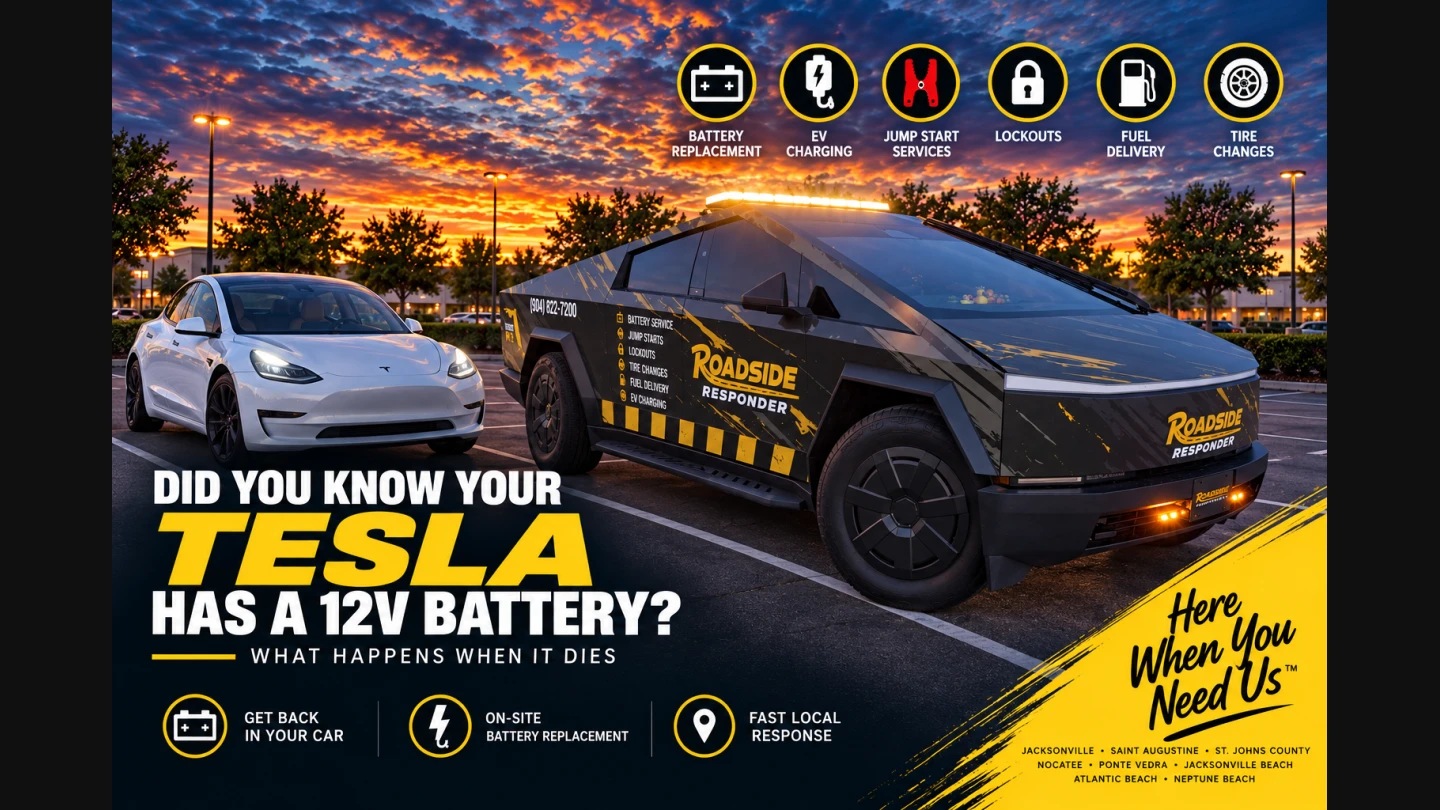
Your Tesla can have plenty of charge in its main battery and still appear completely dead. Learn what happens when the low-voltage battery fails and how Roadside Responder can help.
Your Tesla Has More Than One Battery System
A Tesla essentially has two different electrical jobs that need to be handled.
The large high-voltage battery pack provides the energy used to propel the vehicle. That’s the battery you’re normally thinking about when you look at your Tesla’s state of charge or plug the vehicle into a charger.
The separate low-voltage electrical system powers and supports many of the vehicle’s electronics and controls.
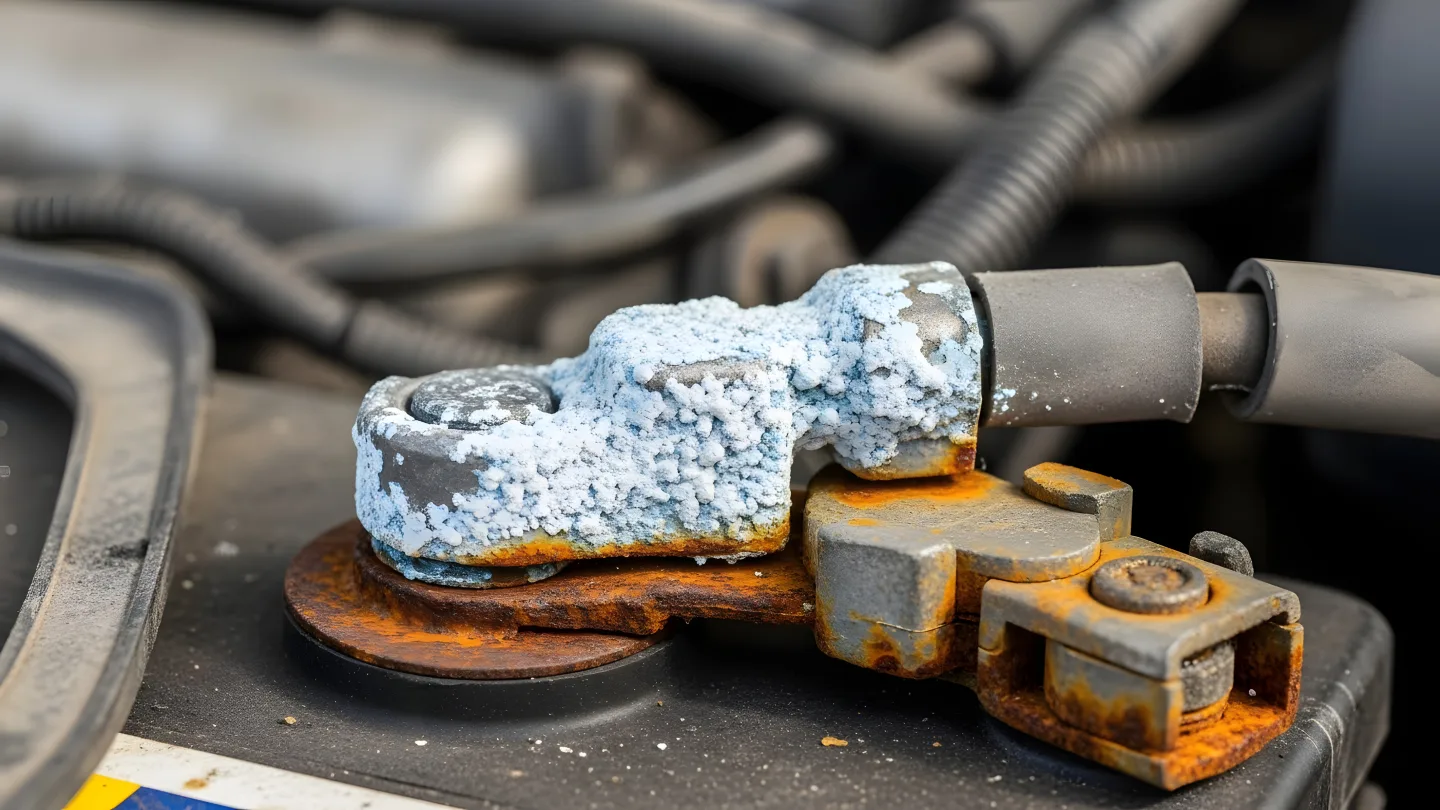
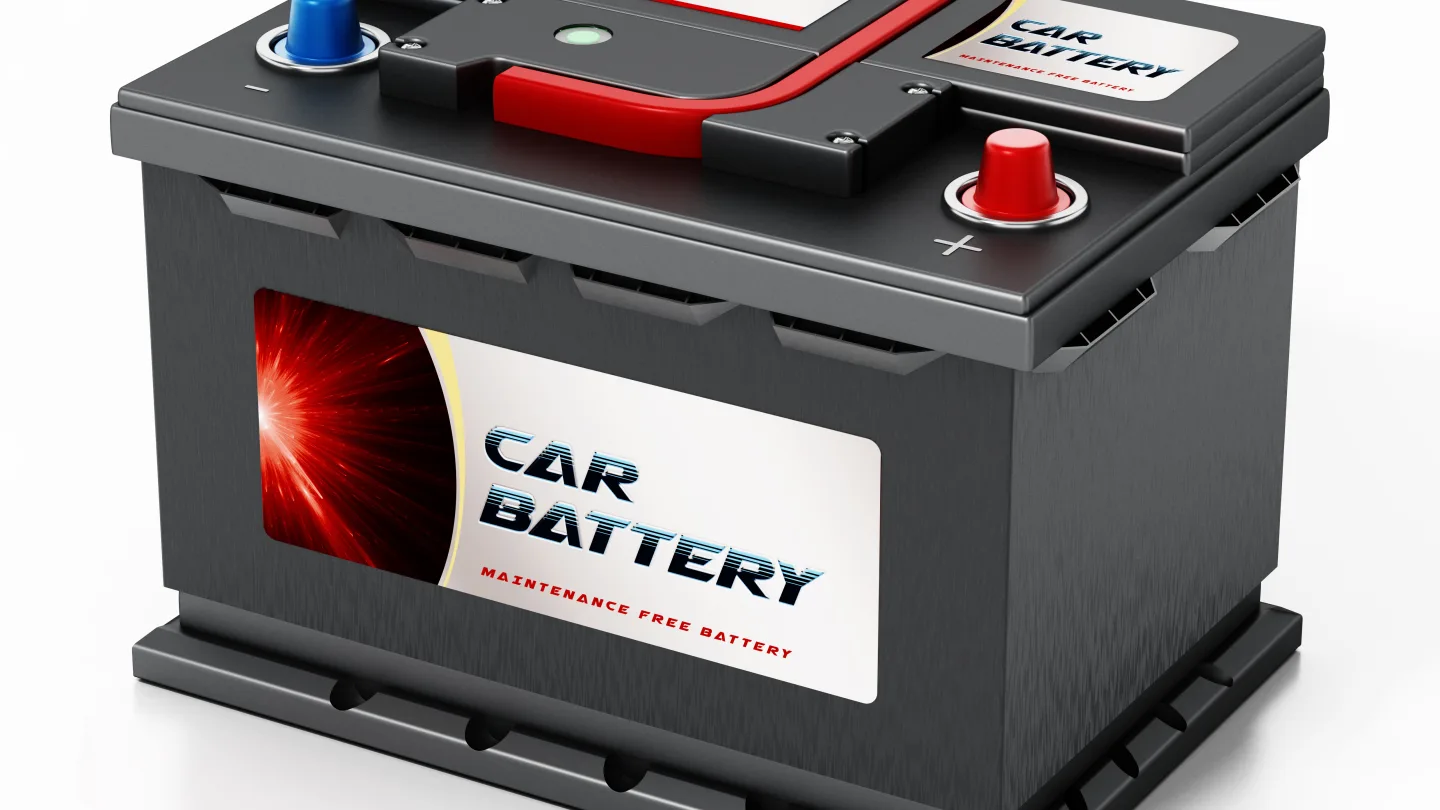
Older Tesla vehicles commonly use a traditional 12V lead-acid battery for this purpose. Newer models may use a lithium-ion low-voltage battery instead.
That distinction matters when diagnosing the problem and determining whether a replacement battery is appropriate for a particular Tesla.
What Happens When a Tesla’s 12V or Low-Voltage Battery Dies?
A low-voltage battery failure can look very different from simply running your Tesla’s main battery out of charge.
Depending on the model and circumstances, you may encounter problems such as:
- The vehicle not powering up normally
- Electronic door controls not operating
- The touchscreen remaining off
- Difficulty accessing the vehicle
- Electrical systems or accessories becoming unavailable
- Low-voltage battery warnings before the vehicle stops operating normally
This can be particularly confusing if you know the main battery still had plenty of driving range.
You might have parked your Tesla with 60% remaining and return later to find that it won’t respond normally.
The immediate assumption may be that something has happened to the main battery. The actual problem could instead be the separate low-voltage system.
Can You Still Open a Tesla With a Dead Low-Voltage Battery?
Tesla vehicles have procedures for dealing with a loss of low-voltage power, but the exact procedure varies by model.
Tesla also provides manual emergency door releases in its vehicles. Those releases are primarily important for occupants who need to exit a vehicle without electrical power.
For an owner standing outside a Tesla that has lost low-voltage power, restoring external low-voltage power may be necessary to regain normal electrical operation and vehicle access.
That’s where roadside assistance can help.
Need Help With a Tesla That Won’t Power Up?
If you’re stranded in Jacksonville or Northeast Florida with a Tesla that appears to have lost low-voltage power, Roadside Responder can come to the vehicle and evaluate the situation.
When appropriate, we can provide external low-voltage power to help restore vehicle power and access.
If the battery itself has failed, we may also be able to replace the applicable low-voltage battery on-site.
Call Roadside Responder at (904) 822-7200 or request live assistance at RoadsideResponder.com/get-help.
Battery availability and replacement requirements vary by Tesla model, year, and battery configuration, so we confirm the applicable battery before replacement.
Does a Dead 12V Battery Mean Your Main Tesla Battery Is Dead?
No.
This is one of the most important distinctions for Tesla owners to understand.
A low-voltage battery problem and a depleted high-voltage battery are two different roadside situations.
If your main battery shows substantial charge but the car suddenly won’t power up or respond normally, the low-voltage electrical system may be involved.
If you were driving with a very low state of charge and eventually ran out of driving power, that’s a different problem. In that situation, you may need emergency EV charging rather than low-voltage battery service.
Roadside Responder can assist with both situations.
What If You Simply Ran Your Tesla Out of Charge?
It happens.
You may have misjudged the remaining range, encountered a charging problem, missed an exit, or simply couldn’t reach a charger before the main battery became depleted.
Roadside Responder provides mobile emergency EV charging for stranded EV drivers in Jacksonville and surrounding areas of Northeast Florida.
Instead of assuming your only option is to get the vehicle transported to a charging station, contact us to see whether mobile charging is appropriate for your situation.
We can bring charging equipment to the vehicle and provide emergency charging intended to help get you moving again.
The amount of charge, charging rate, compatibility, and resulting range depend on the vehicle and conditions. Mobile emergency charging should be viewed as a way to help resolve an immediate roadside problem, not as a replacement for normal charging.
Dead Low-Voltage Battery or Empty Main Battery: What’s the Difference?
Here’s an easy way to think about it.
Low-Voltage Battery Problem
Your Tesla may still have significant charge in its main battery, but the vehicle won’t power up or its electronic systems aren’t functioning normally.
This may call for low-voltage power assistance, battery testing, or low-voltage battery replacement when applicable.
Main EV Battery Depleted
Your Tesla’s driving battery has reached a very low state of charge and you can no longer continue driving.
This may call for emergency mobile EV charging.
If you aren’t sure which problem you’re dealing with, tell us what happened and what you’re seeing from the vehicle. That information can help determine what type of roadside assistance may be appropriate.
Can Roadside Responder Replace a Tesla 12V Battery On-Site?
For compatible Tesla vehicles, Roadside Responder can provide mobile low-voltage battery replacement when the correct battery is available and on-site replacement is appropriate for that vehicle.
Tesla has used different low-voltage battery configurations over the years, so this isn’t a situation where one replacement battery fits every Tesla.
We’ll need information such as the Tesla model and model year to determine what battery system the vehicle uses and what assistance is appropriate.
We do not guarantee that every Tesla low-voltage battery will be in stock at all times.
Recurring and Fleet EV Charging
Mobile EV charging isn’t limited to one-time roadside emergencies.
Businesses may also encounter situations where EVs need charging away from their normal charging infrastructure.
If you operate a fleet of electric vehicles or have a recurring need for mobile EV charging in Northeast Florida, contact Roadside Responder to discuss your requirements.
We can talk with you about the number and type of vehicles, location, frequency of service, and charging needs to determine whether a recurring mobile charging arrangement makes sense.
Tesla Roadside Battery Help in Jacksonville and Northeast Florida
Whether the problem is a dead low-voltage battery or a depleted main EV battery, the first step is figuring out which problem you’re actually dealing with.
Roadside Responder provides mobile roadside assistance throughout our Northeast Florida service area, including Jacksonville, St. Johns County, Nocatee, Ponte Vedra, Jacksonville Beach, Atlantic Beach, Neptune Beach, and Saint Augustine.
We can assist with:
- Tesla low-voltage power assistance
- Mobile battery testing and replacement when applicable
- Emergency mobile EV charging
- Recurring EV charging needs
- Fleet EV charging inquiries
Response times depend on your location, traffic, weather, and active service calls.
Need Help With a Dead Tesla?
If your Tesla won’t power up, won’t respond normally, or has run out of driving charge, contact Roadside Responder and tell us what happened.
We’ll help determine whether you’re dealing with a low-voltage battery issue or need emergency EV charging and what mobile service options are available for your vehicle.
Call Roadside Responder at (904) 822-7200 or get live assistance at RoadsideResponder.com/get-help.
For recurring or fleet EV charging needs, contact us to discuss your vehicles, location, and charging requirements.