Ran out of gas in Jacksonville? Learn what to do, how to stay safe, and when to request emergency fuel delivery.
Get to the Safest Available Location
If the vehicle starts sputtering, loses power, or you realize you are out of fuel, try to move calmly toward a safe place.
Good options include:
Turn on your hazard lights. Avoid stopping in a travel lane if you can safely move out of it. Do not make sudden moves across traffic.
If the vehicle has already stopped and will not move, stay aware of your surroundings. Your safety matters more than the vehicle.
- Parking lot
- Gas station entrance
- Wide shoulder
- Side street
- Business parking area
- Well-lit public location
- Driveway or safe pull-off area
Do Not Walk Along Busy Roads Unless There Is No Safer Option
Many drivers think the obvious answer is to walk to the nearest gas station. Sometimes that may be possible. But in Jacksonville, walking along busy roads can be risky.
Roads with fast traffic, limited shoulders, poor lighting, rain, heat, bridges, interchanges, and construction areas can make walking unsafe.
Before walking, ask:
If the answer is not clearly safe, request roadside help instead.
- Is there a sidewalk?
- Is the road well-lit?
- Is traffic heavy or fast?
- Is the gas station actually close?
- Do I have a safe fuel container?
- Is it hot, storming, or dark?
- Would I have to cross major roads?
- Is my vehicle in a safe place while I am gone?
Turn On Hazards and Stay Visible
Once stopped, turn on your hazard lights. If you have roadside safety equipment and can use it without danger, make the vehicle more visible.
Useful items may include:
Do not stand behind or beside the vehicle near moving traffic. If you are on a shoulder, stay as far away from traffic as practical.
If the area feels unsafe, call for help and consider contacting local authorities if the vehicle is creating a traffic hazard.
- Hazard lights
- Reflective triangles
- Flashlight
- Road flare alternatives
- Reflective vest
Confirm That Fuel Is Actually the Problem
Running out of gas can feel obvious, but sometimes a vehicle acts like it is out of fuel when another issue is involved.
Signs you may be out of gas include:
But other problems can mimic fuel issues, including a bad fuel pump, electrical issue, battery problem, sensor issue, or engine problem.
Emergency fuel delivery may solve the issue if the vehicle is truly out of gas. If fuel is added and the vehicle still will not start, another problem may be involved.
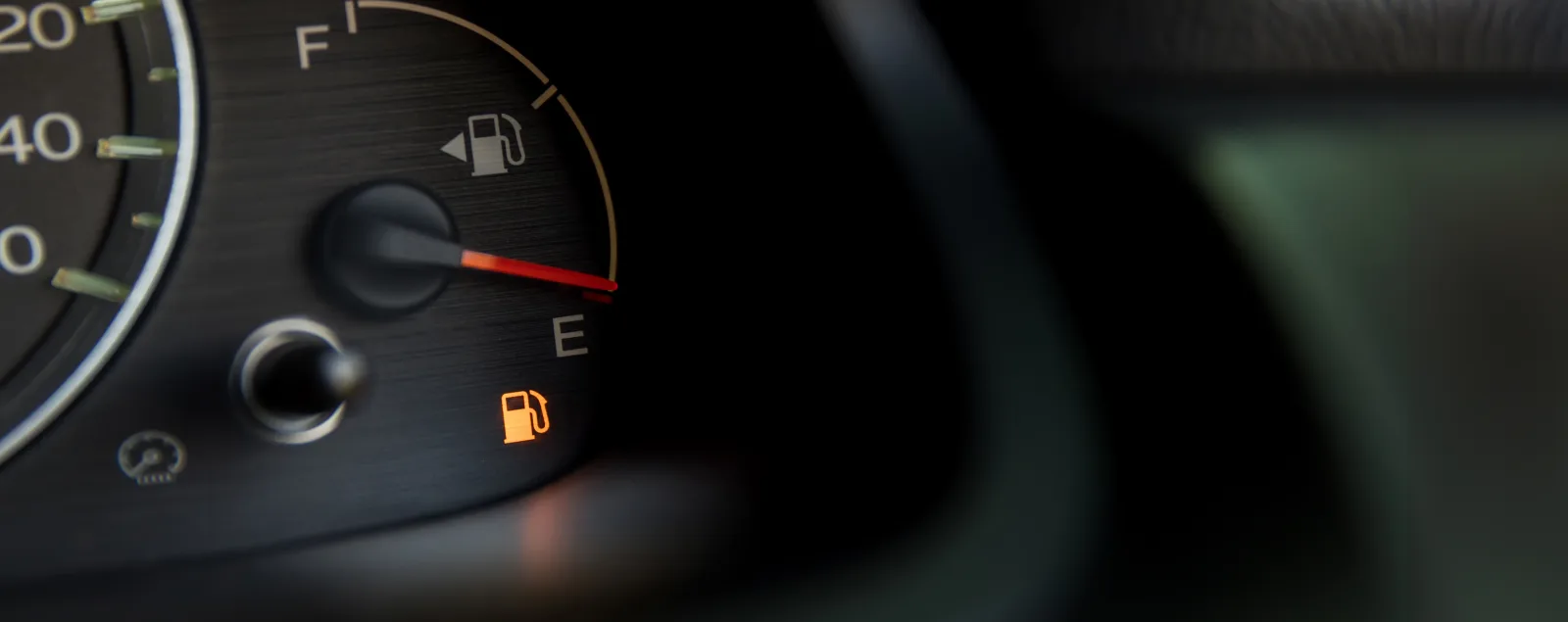
- Fuel gauge reads empty
- Low fuel warning was on
- Vehicle sputtered before shutting off
- Engine cranks but will not start
- You recently delayed refueling
- The vehicle stopped after running normally
Request Emergency Fuel Delivery
Emergency fuel delivery is designed for exactly this situation. Instead of walking to a station, buying a fuel can, walking back, and dealing with traffic or weather, roadside fuel delivery brings fuel to your location.
When requesting fuel delivery, provide:
Good location details make the response smoother. If you are on a major road, give the direction of travel and nearest exit, intersection, or mile marker if available.
- Your exact location
- Nearby cross streets or landmarks
- Whether you are on a roadway, parking lot, or private property
- Vehicle year, make, and model
- Fuel type if known
- Whether the vehicle is in a safe location
- Any gate code, parking garage detail, or access instruction
What If You Are on I-95, I-295, JTB, or Another Busy Road?
Jacksonville has plenty of roads where running out of gas can quickly become a safety issue. High-speed traffic and limited shoulders change the situation.
If you are on a highway or busy road:
Emergency fuel delivery may help if the vehicle is safely accessible. If the vehicle is in a dangerous or blocked location, additional help may be needed.
- Turn on hazard lights.
- Pull as far from traffic as safely possible.
- Stay buckled if remaining in the vehicle is safer.
- Do not stand near traffic.
- Do not attempt to cross lanes on foot.
- Request help with clear location details.
- Contact authorities if the vehicle is blocking traffic or in immediate danger.
Out of gas in Jacksonville?
Roadside Responder provides emergency fuel delivery to help drivers get moving again when they run out of gas.
Get Service NowHow Much Fuel Do You Need?
Emergency fuel delivery is generally meant to provide enough fuel to get you moving again and reach a gas station. It is not meant to fully fill the tank roadside.
After fuel is delivered, drive to a nearby station and fill up properly. Do not continue driving on a very low tank if you can avoid it.
Running close to empty repeatedly can also be hard on some vehicles because debris from the bottom of the tank may be pulled toward the fuel system. The bigger issue, though, is simple: you may get stranded again.
What If the Vehicle Still Will Not Start?
If fuel is added and the vehicle still will not start, do not keep cranking the engine repeatedly. The issue may not be fuel, or the vehicle may need time to prime depending on the situation.
Possible issues include:
Roadside Responder may be able to help with other roadside services, such as jump starts or battery-related help, depending on the symptoms. If the issue is mechanical, repair or towing through another provider may be needed.
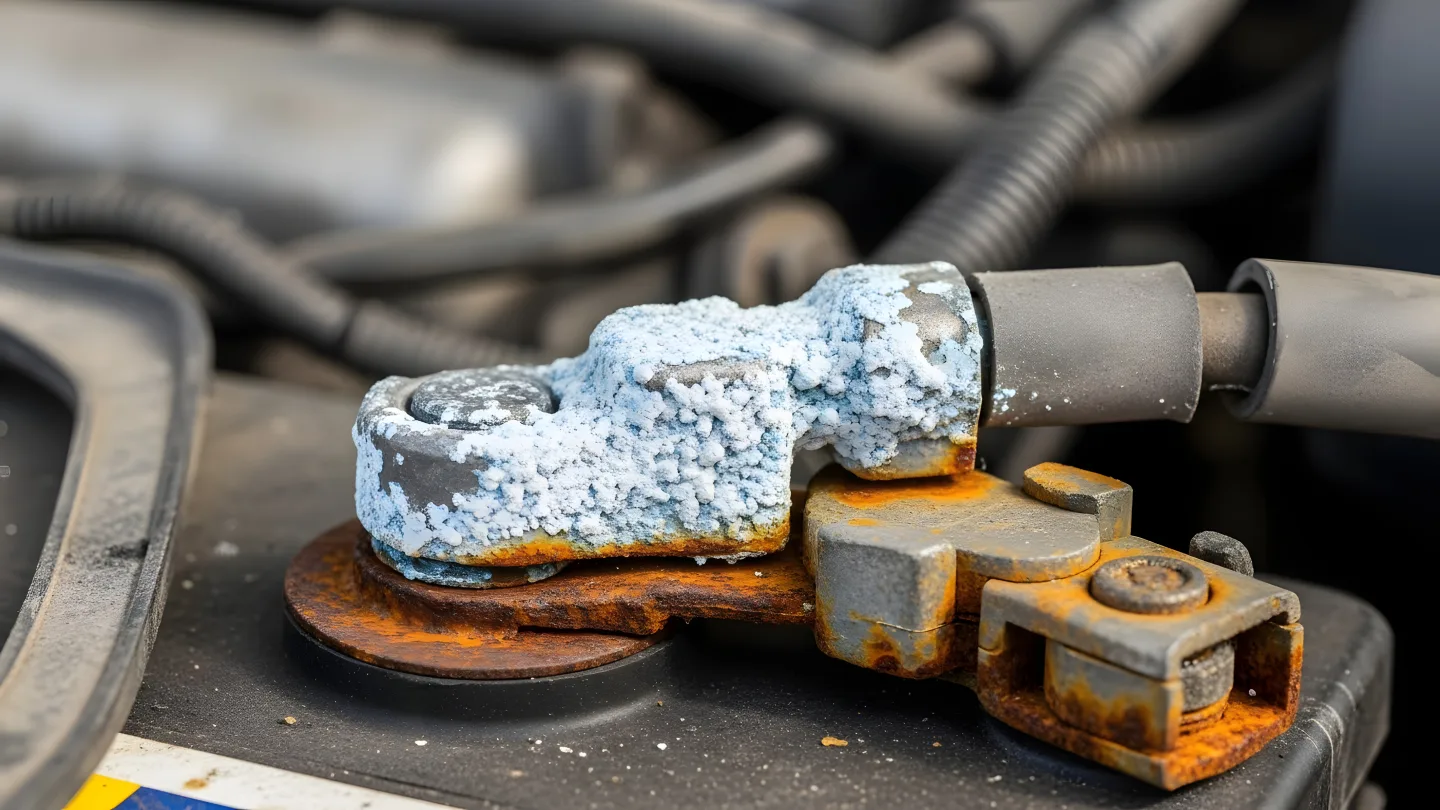
- Dead battery
- Weak battery
- Fuel pump issue
- Starter issue
- Electrical problem
- Security system issue
- Engine problem
Local Jacksonville Fuel Delivery Situations
Drivers can run out of fuel anywhere: downtown, Southside, Mandarin, Arlington, Riverside, San Marco, Baymeadows, the Beaches, shopping centers, apartment communities, office parks, and highway shoulders.
It can also happen outside Jacksonville in nearby areas like Saint Johns County, Nocatee, Ponte Vedra, Saint Augustine, Atlantic Beach, Neptune Beach, and Jacksonville Beach.
Emergency fuel delivery is especially useful when the nearest station is not safely walkable or when the vehicle is in a location where leaving it unattended is not a good idea.
How To Avoid Running Out Again
After the immediate situation is solved, it is worth making a few changes.
Practical prevention tips:
The miles-to-empty estimate is only an estimate. Traffic, idling, hills, load, weather, and driving style can change fuel use.
- Refuel before the tank gets below one-quarter.
- Do not rely completely on estimated miles-to-empty.
- Refuel before long drives or heavy traffic.
- Watch for fuel gauge problems.
- Keep payment methods available.
- Plan fuel stops before late-night driving.
- Do not assume the next station will be open or accessible.
What Roadside Responder Can Do
Roadside Responder provides emergency fuel delivery and other roadside assistance services in Northeast Florida.
Services include:
For fuel delivery calls, Roadside Responder can bring fuel to help you get moving again. If the vehicle still will not start after fuel is added, another issue may be involved.
Roadside Responder aims for fast local response. Response times depend on location, traffic, weather, and active jobs.
Pricing depends on service type, location, time of day, and whether parts or fuel are needed.
- Emergency fuel delivery
- Jump starts
- Mobile battery replacement when available and appropriate
- Flat tire assistance
- Vehicle lockout assistance
- Mobile EV charging
Bottom Line
If you ran out of gas in Jacksonville, focus on safety first. Get out of traffic if possible, turn on hazard lights, avoid walking along dangerous roads, and request emergency fuel delivery if you need help.
Running out of fuel is frustrating, but it does not need to become a bigger problem. Roadside Responder can help with emergency fuel delivery in Jacksonville and surrounding Northeast Florida areas so you can get moving again.