
Summer heat can stress batteries, tires, cooling systems, and drivers. A few checks can reduce the chance of getting stuck.
Check the battery
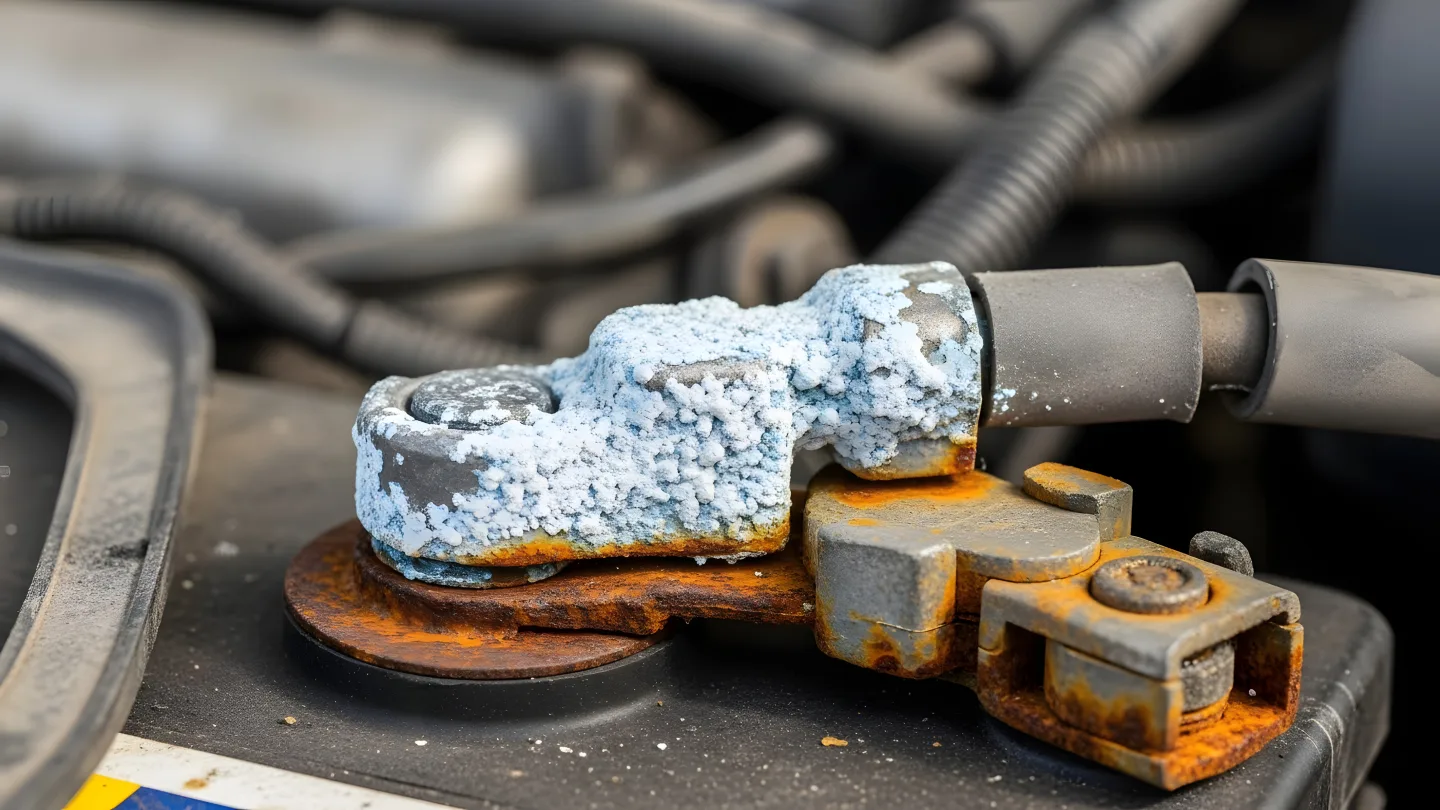
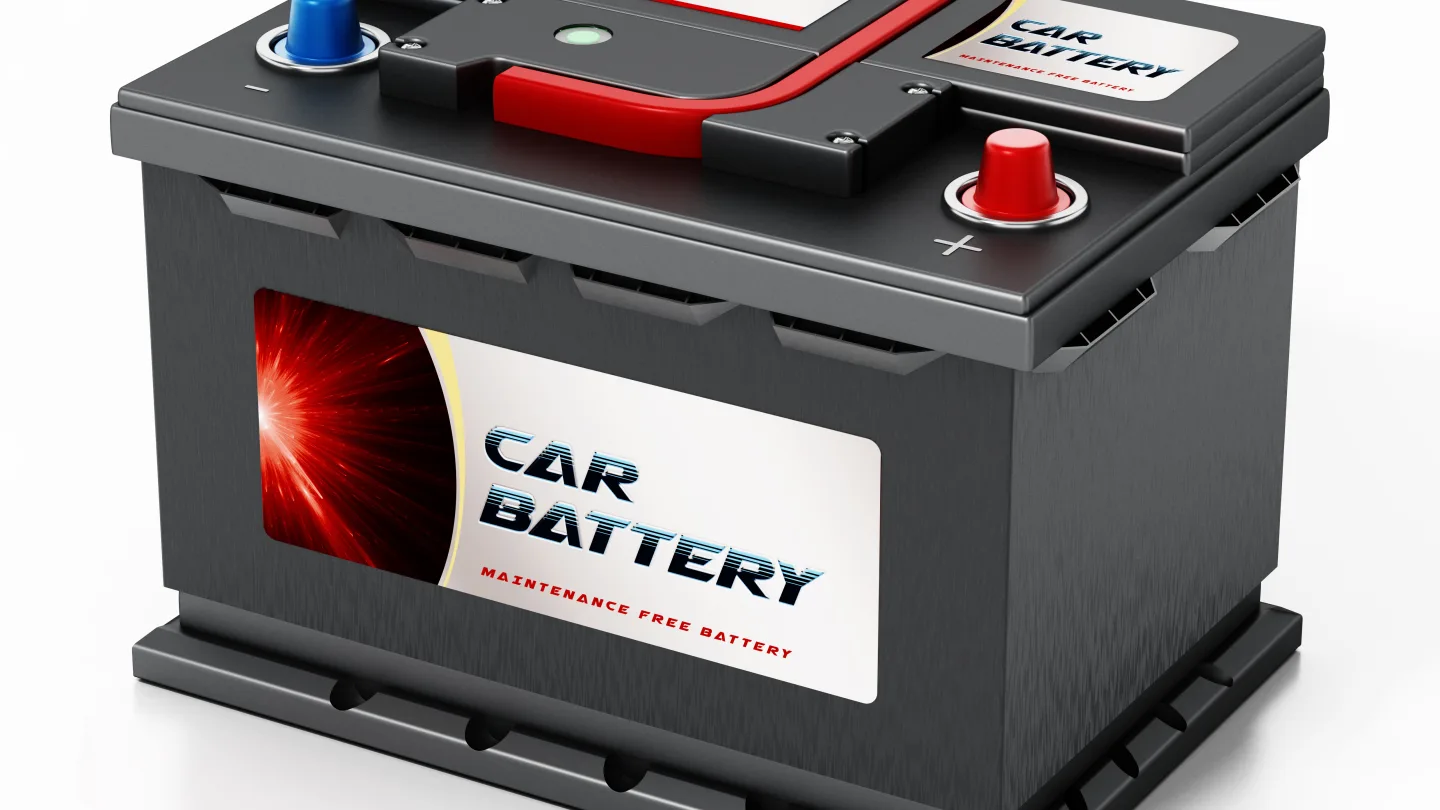
Heat can shorten battery life and expose weakness. If starts are slow or the battery is older, consider having it tested before you are stuck in a hot parking lot.
Look at tires and the spare
Check tire pressure, visible damage, and tread. Also confirm the spare tire, jack, and wheel lock key are present if your vehicle uses them.
Pay attention to cooling and warning lights
Summer driving can stress the cooling system, belts, hoses, and electrical components. If the temperature gauge climbs, warning lights appear, or the vehicle smells hot, pull over safely and avoid continuing until you understand the issue.
Keep emergency basics in the vehicle
A phone charger, water, flashlight, reflective triangles or lights, and basic personal items can make a roadside wait safer and less stressful. These items do not replace professional help, but they can help while you wait.
Check wipers and visibility
Summer storms can arrive quickly in Northeast Florida. Good wipers, washer fluid, clean glass, and working lights help reduce risk when heavy rain, glare, or low visibility hits during a drive.
Avoid pushing a questionable vehicle
If the vehicle is slow to start, losing air in a tire, overheating, or showing warning lights, address the issue before a longer drive. Small problems often become roadside calls when heat, traffic, and distance are added.
Plan for delays
Keep water, a phone charger, and basic safety items in the vehicle. If something goes wrong, move to a safe place when possible before requesting roadside assistance.
Know how to request help quickly
If you do get stuck, gather your exact location, vehicle details, service need, and safety status. Start a request online so Roadside Responder can send the right mobile roadside help.