Stay safe, confirm access authorization, avoid damaging the door, and request careful vehicle lockout help.
Start with safety
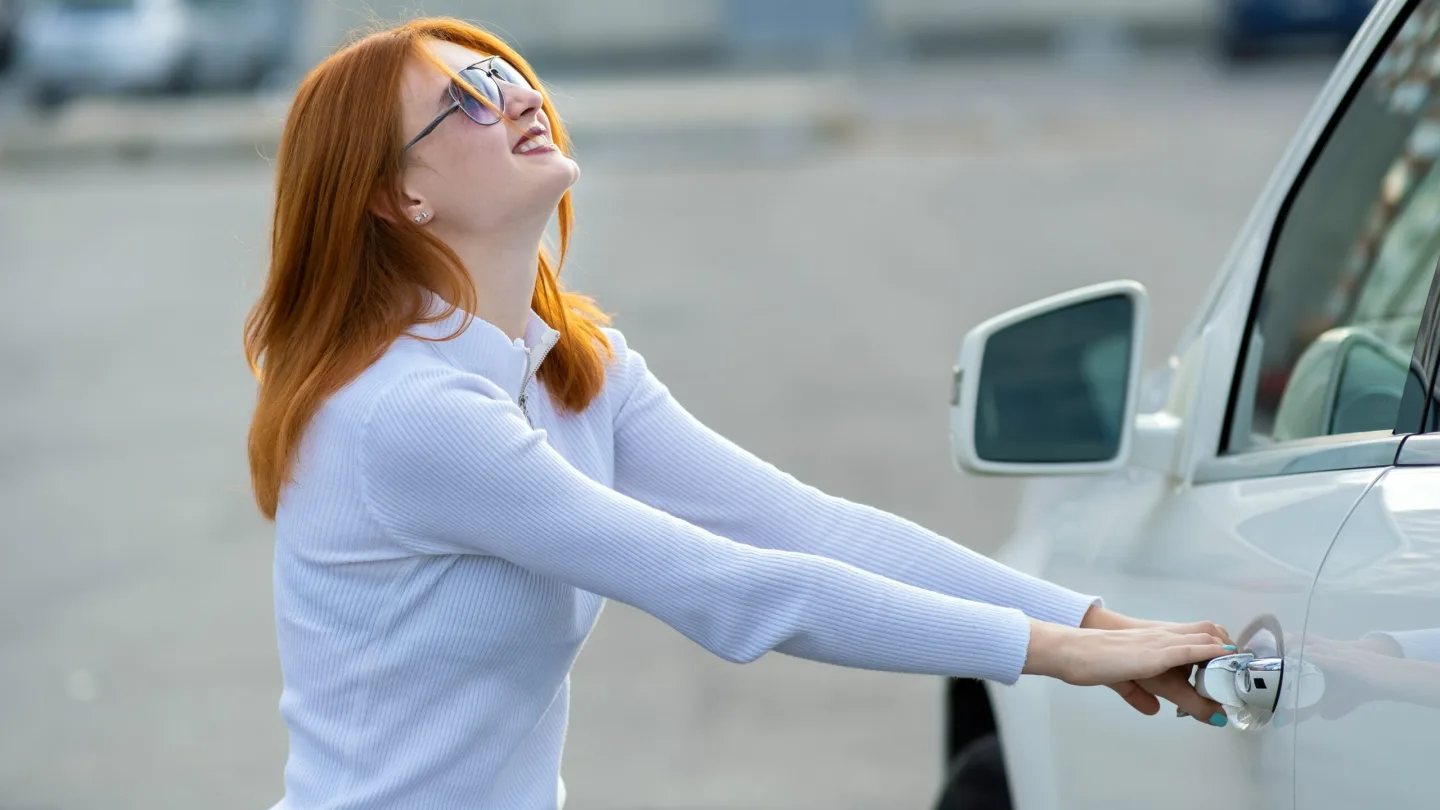
If a child, pet, or person is in danger, call emergency services first. If there is no immediate danger, move to a safe waiting area and keep your phone available.
Do not pry the door
DIY tools can damage paint, weather seals, airbags, locks, and electronics. Damage from forcing entry can cost far more than professional lockout assistance.
Check for safer access first
Before requesting help, confirm whether another door, hatch, spare key, phone app, or family member can safely provide access. Do not put yourself in traffic or an unsafe area just to check.
Be clear about the lockout situation
Tell Roadside Responder whether the keys are visible, in the trunk, in the cabin, or with a key fob issue. Also share the vehicle year, make, model, exact location, and whether anyone is locked inside.
Be ready to show authorization
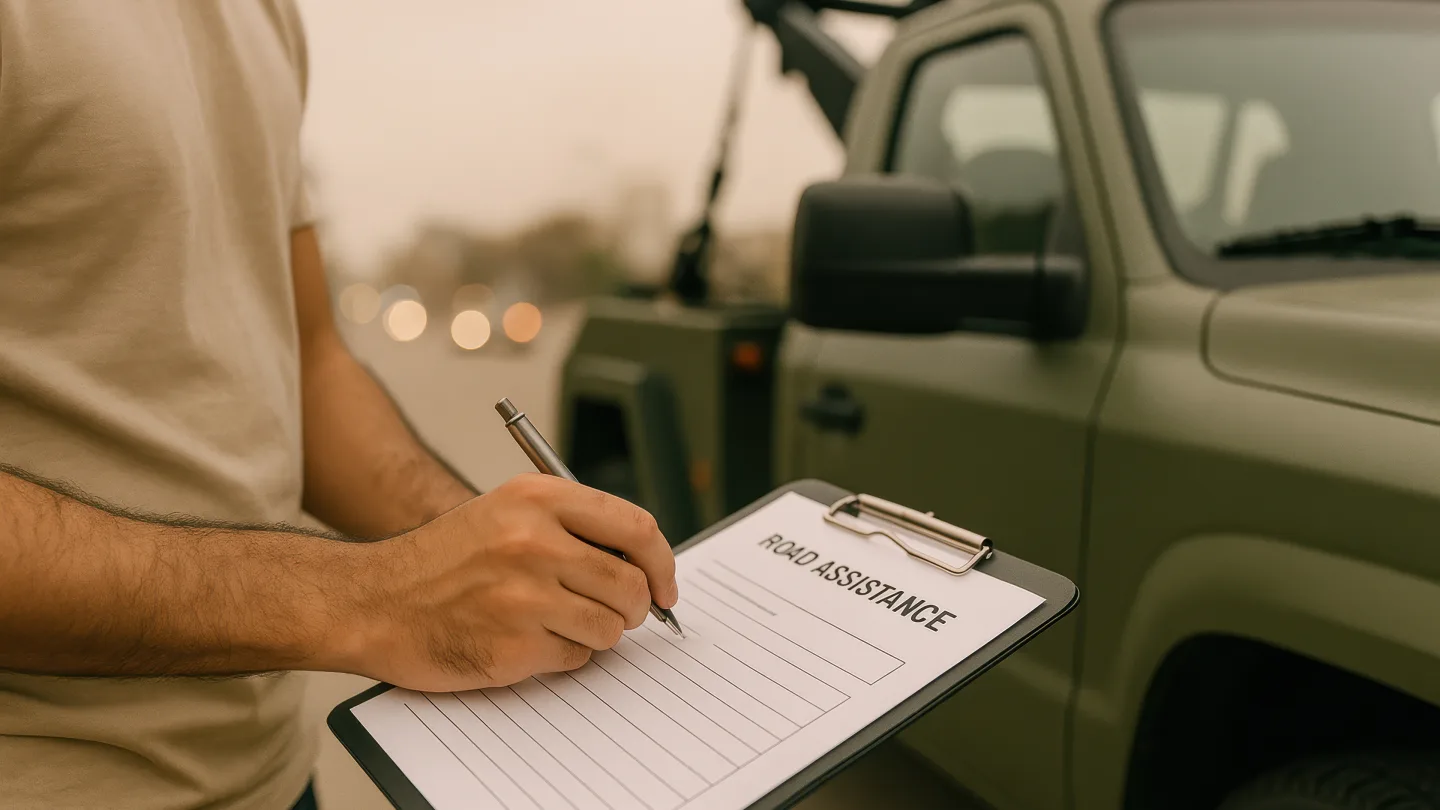
Roadside Responder may ask for identification or authorization before opening a vehicle. This protects customers and helps ensure access is legitimate.
Understand that some vehicles are different
Not every vehicle, lock system, or key situation can be handled the same way. Some vehicles may require a locksmith, dealer, or specialized equipment, and expectations are confirmed before dispatch.
Use the online request flow
If the situation is not an emergency, starting a request online helps capture the service need, location, vehicle details, and safety status so the Roadside Responder team can review the right next step.
After the vehicle is opened
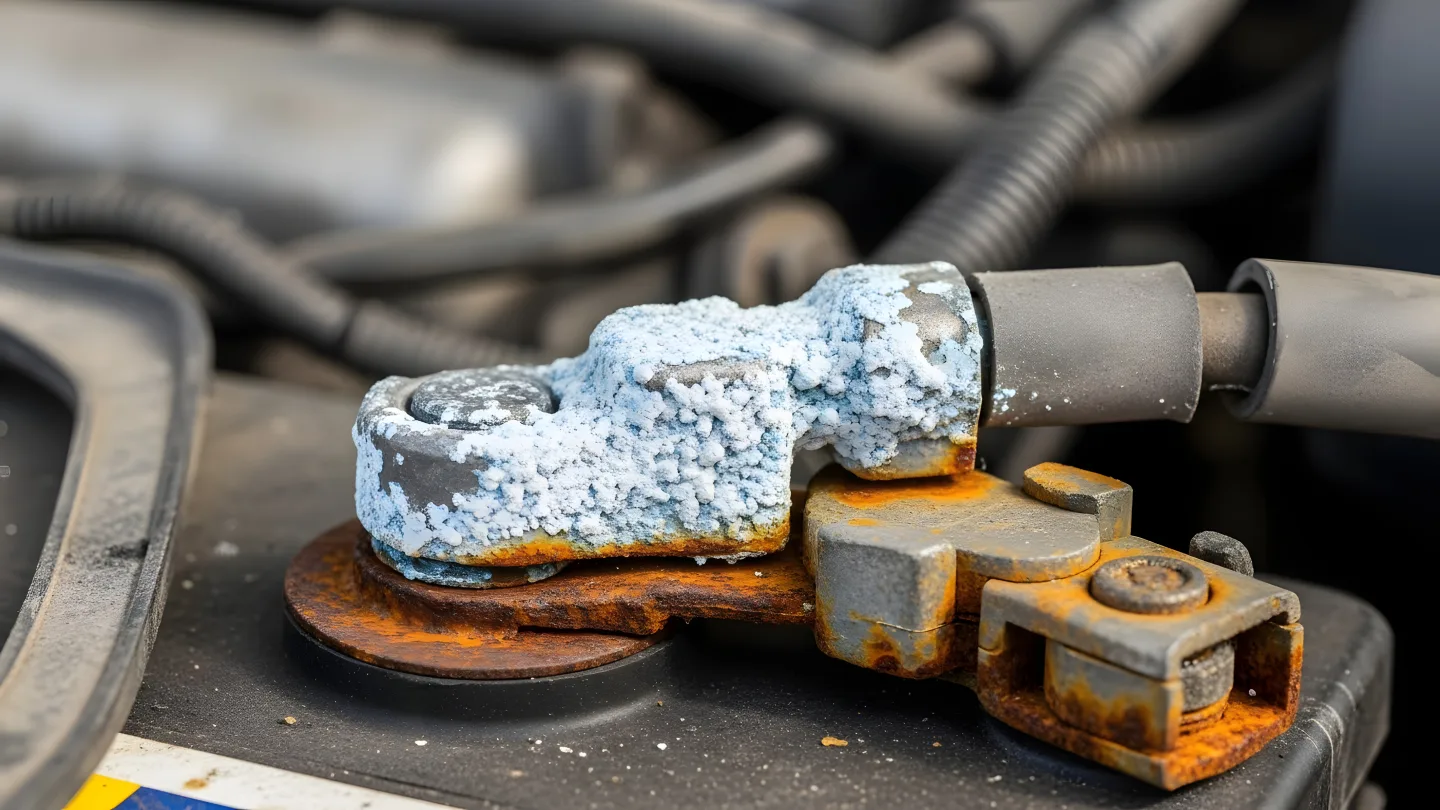
Before leaving, confirm you have the keys, phone, wallet, and anything else needed. If the key or fob battery is weak, consider handling that issue before it creates another lockout or no-start situation.
Key Fob and Trunk Lockouts
Newer vehicles can lock with a key fob inside, and some trunk lockouts require a different access path than keys left on a seat. Tell Roadside Responder whether the keys are visible, in the cabin, in the trunk, or inside a running vehicle so the situation can be reviewed correctly.
Why DIY Lockout Tools Can Cause Damage
Improvised wedges, coat hangers, or hard tools can bend door frames, tear weather stripping, scratch paint, damage glass, interfere with side airbags, or affect wiring inside the door. If there is no emergency, careful lockout assistance is usually the better first step.
Details That Help Before Dispatch
Helpful details include your exact location, vehicle year/make/model, whether the key or fob is visible, whether the vehicle is running, whether the keys are in the trunk, and whether you have identification or authorization available.